Designing for Independent Living, Without Talking to the Residents
Assistive Design, Field Research, Independent Living
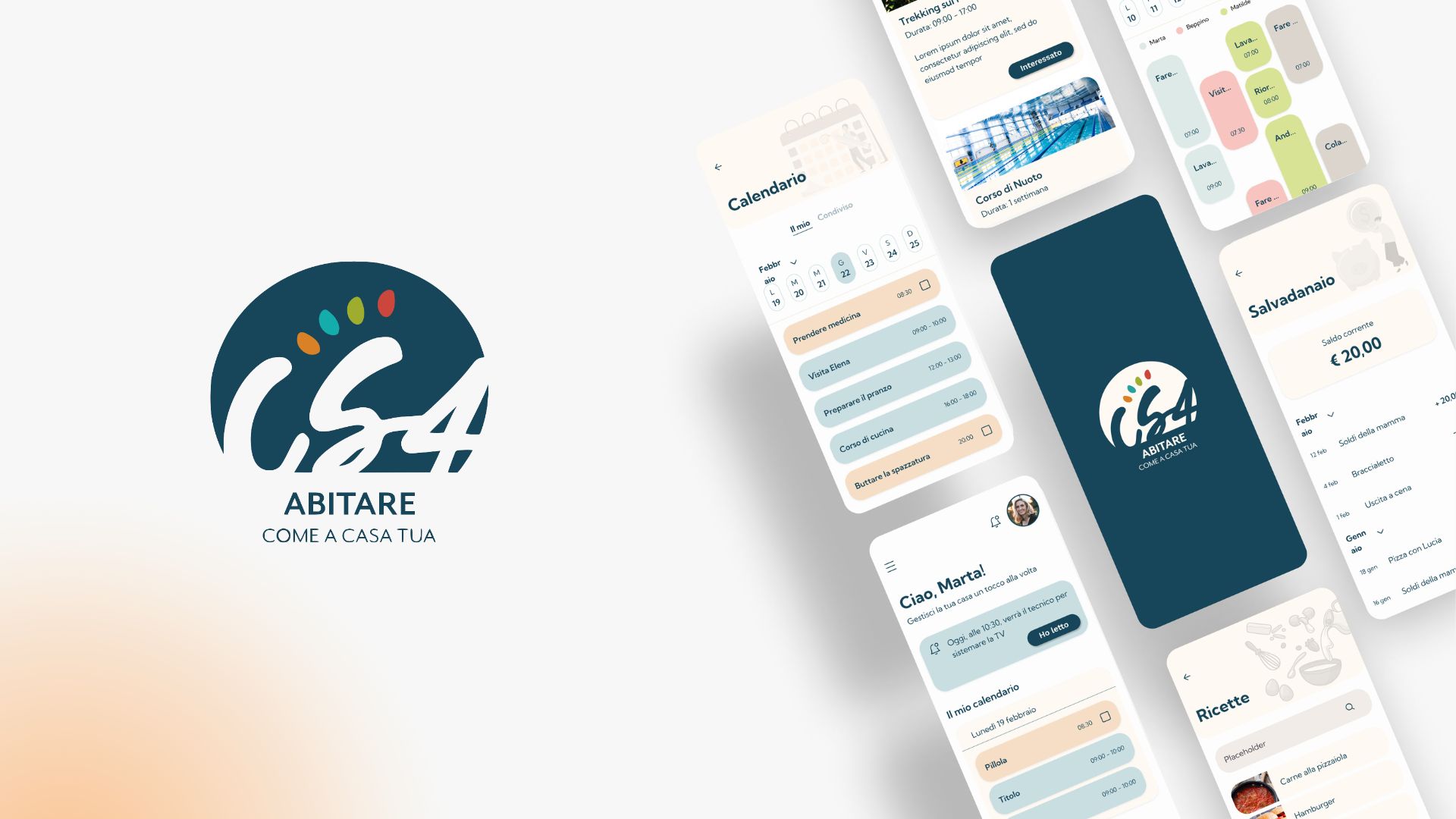
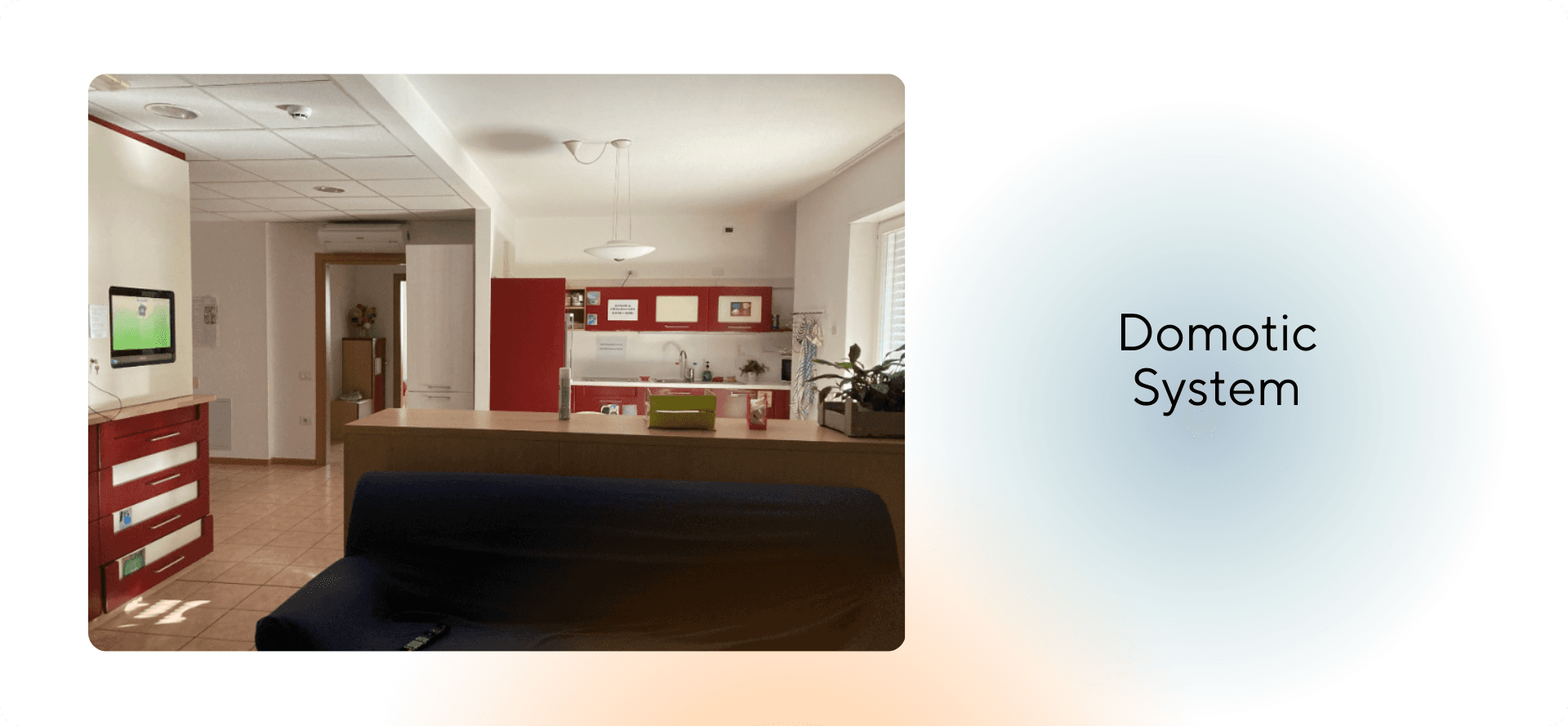
CS4, a social cooperative, houses adults with cognitive and physical disabilities in shared apartments, with educators visiting daily. Their coordination system was a 2011 domotic install with fixed room monitors, and it had stopped working, taking with it the scaffolding that helped residents live independently. We had five days to replace it, with one catch: for accessibility and time reasons, we couldn't interview the residents themselves. We designed Abitare anyway, and it won Trentino's social-impact prize.
Five constraints pulling against each other
This wasn't a clean brief. The design had to hold five forces together at once:
- Cognitive and physical. Usable across a wide range of abilities: low cognitive load, no jargon.
- Legacy. Replace a fixed domotic system feature for feature, but portable and scalable. A phone, not a wall.
- Autonomy vs. support. The whole point is independence. Too much help is infantilizing; too little leaves someone stranded. This was the real tension.
- Two opposed users. Residents and the educators supporting them, whose needs don't always align.
- The client. A cooperative whose mission is human relationships, not software.
Research, designed around a hard constraint
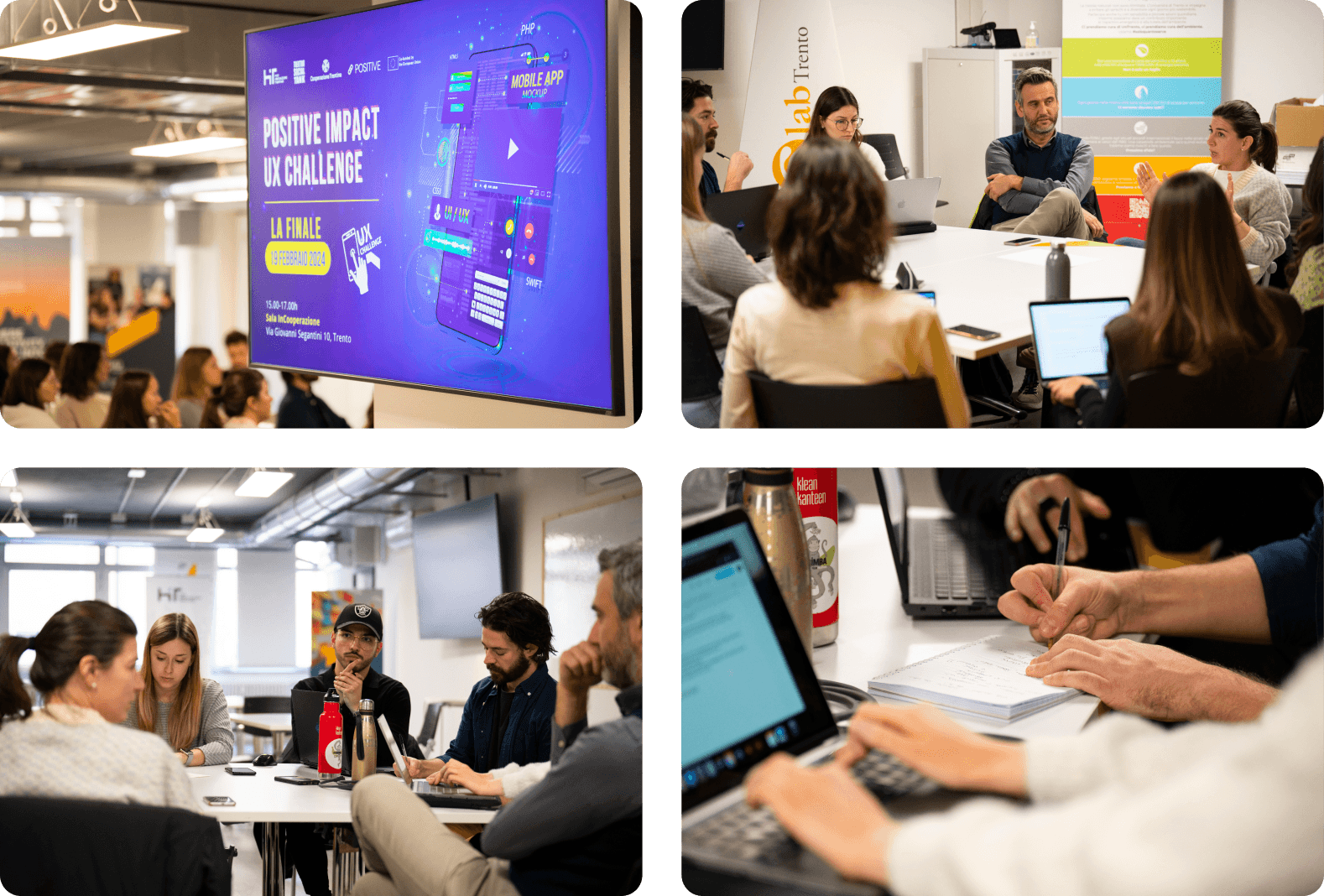
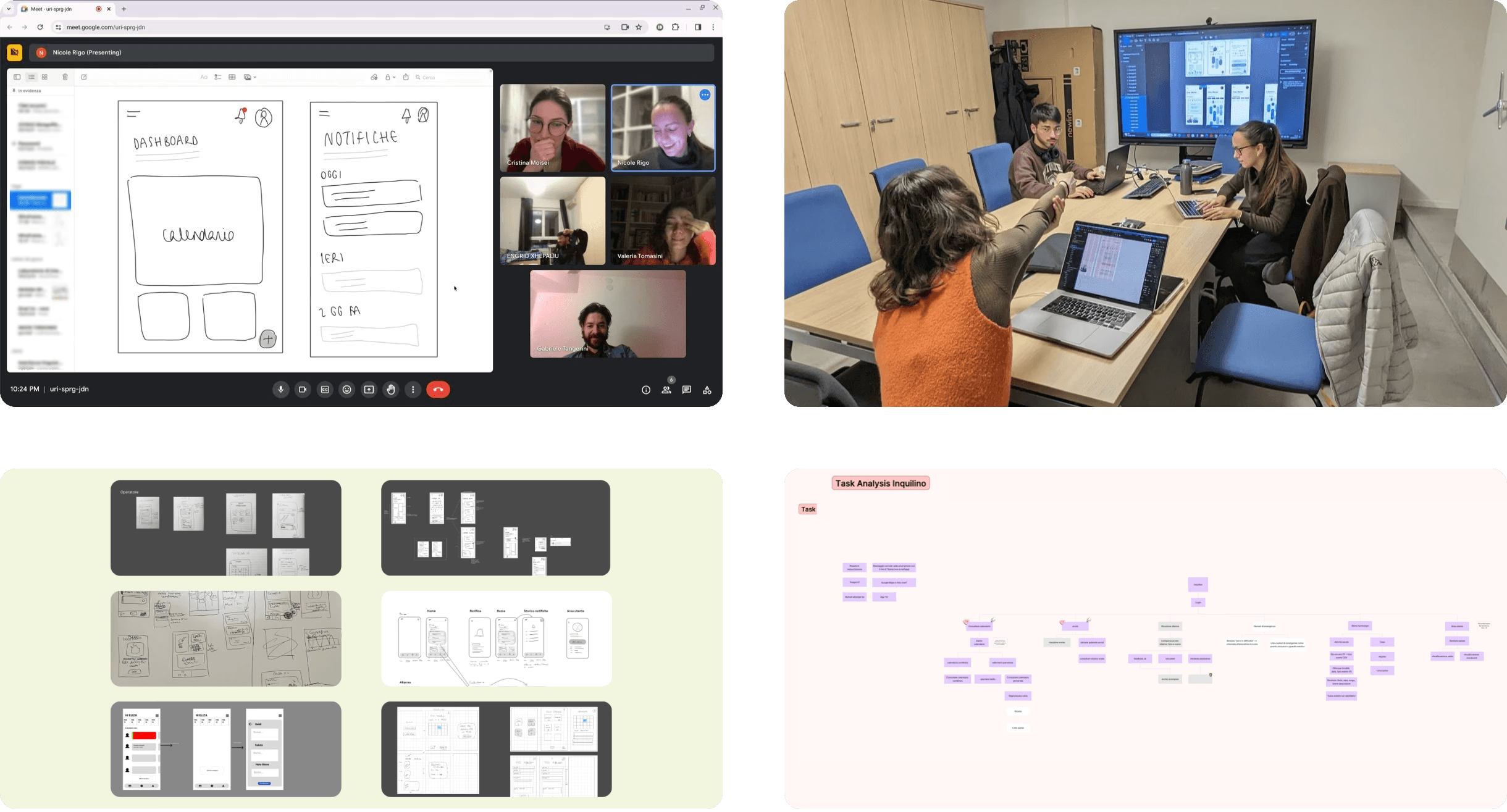
We couldn't talk to the end users directly, so we designed the research around that, reading the residents through the people closest to them rather than pretending we had direct access. We triangulated three sources:
- CS4's own operational documentation
- 4 interviews with operators (1 coordinator, 3 educators), the people who see the residents every day
- 1 interview with the engineer who built the original 2011 system, to learn what it got right and why it was shaped the way it was
The finding that flipped the brief
We went in assuming fragility, that residents needed a heavily simplified, protective tool. The operators told us the opposite: residents were far more technologically capable than we'd assumed. That single insight moved the design from "assistive and limited" to "a real coordination tool that happens to be accessible", which is why Abitare looks like an app anyone would use, not a medical device.
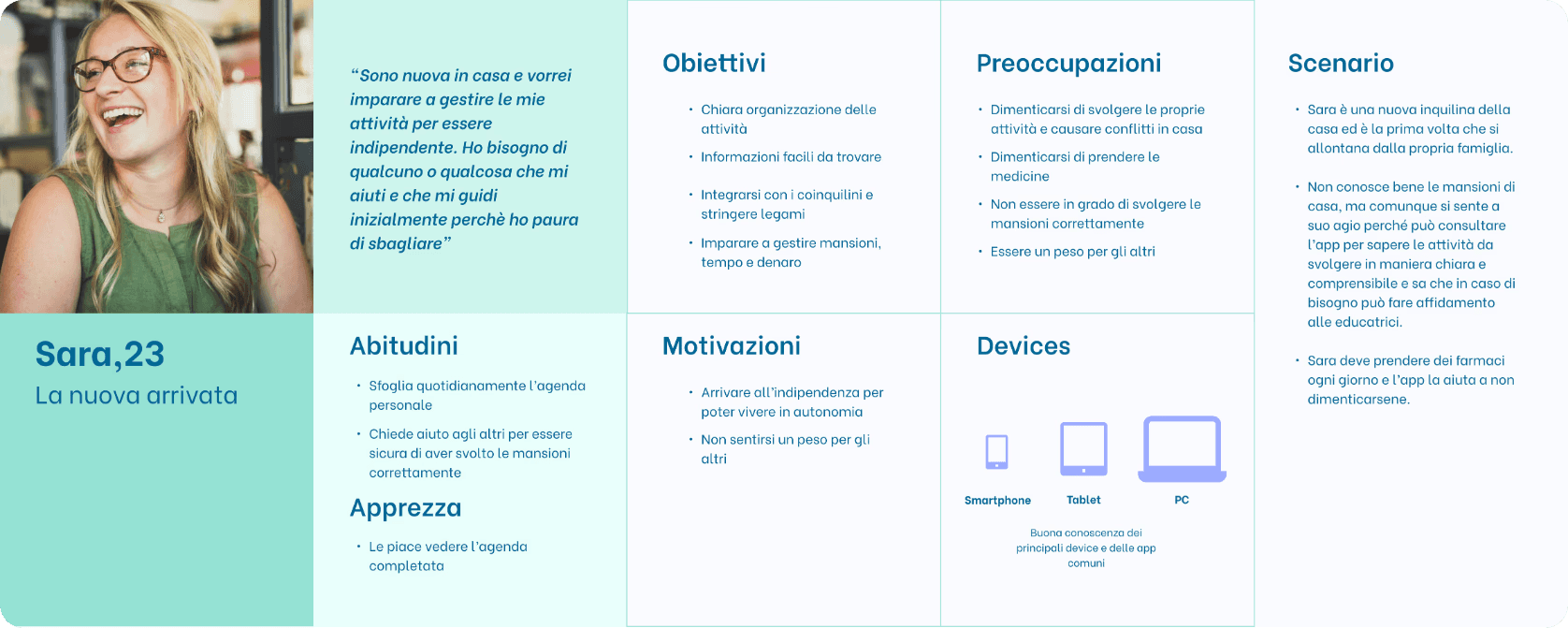
We carried the constraint into how we synthesized, too: three personas built entirely from the proxy interviews, covering the two sides of the household plus the operator who supports it.
What we built
Abitare, a mobile app with two coupled sides. The features are consequences of the research, not a wish list:
- For residents: shared and personal calendars (the anti-conflict backbone), a pinboard, expense tracking, shared groceries and recipes, and a one-tap emergency alert. The old system's safety net, now in a pocket.
- For operators: shift reports, resident scheduling, and household comms, so the daily visit is spent on people, not paperwork.
The target underneath every screen: automate the routine so residents and educators spend more time on the relationship, less on the logistics. Support that doesn't crowd out independence.
The result
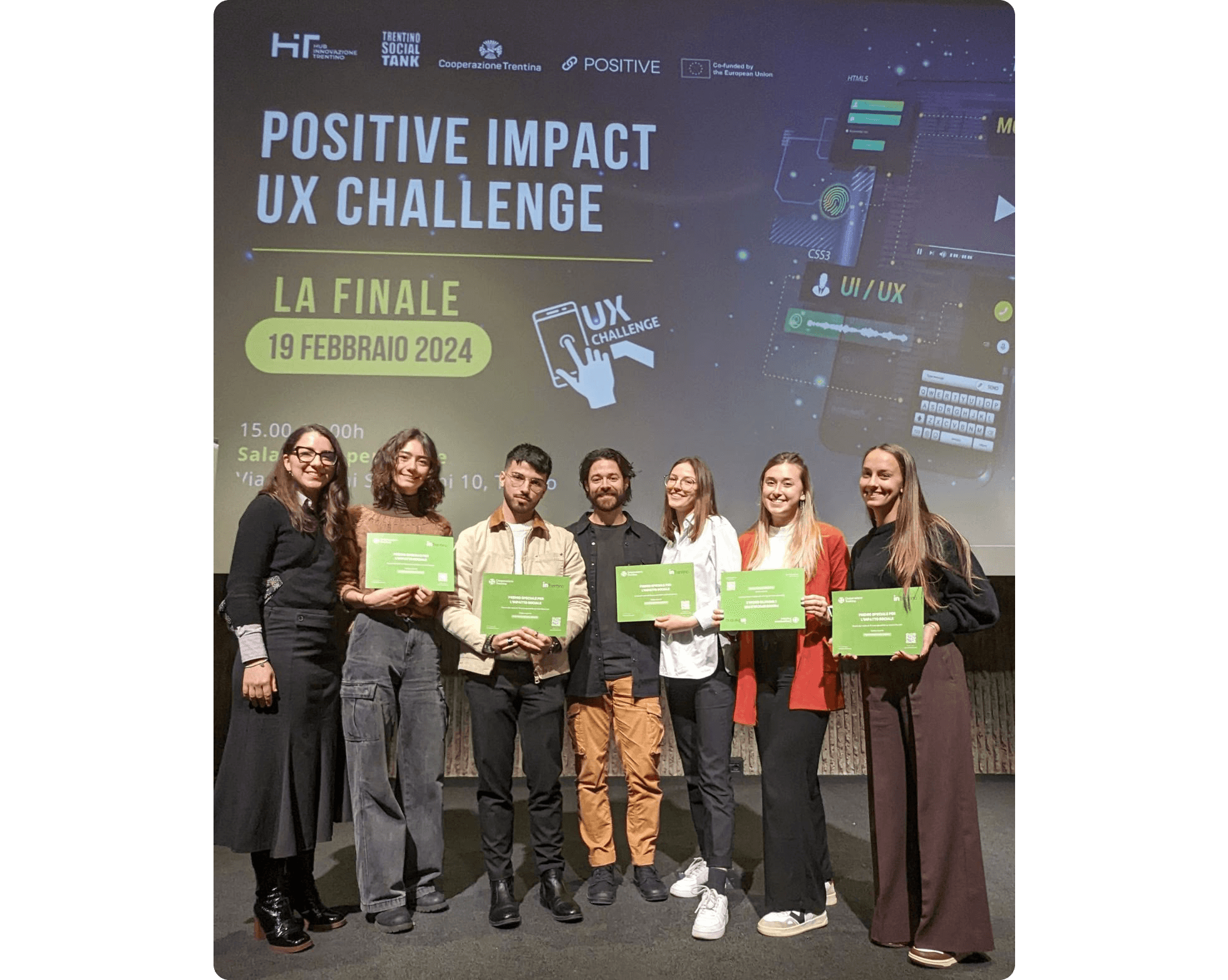
Five days, no direct access to the end users, a legacy system to honor and a real tension to hold, and a shippable, dignified design at the end of it. The win wasn't the prize; it was getting a genuinely useful product out of a genuinely constrained problem.
Projects
Breathing Pod
Tangible Interaction, HCI Research, Physical Computing
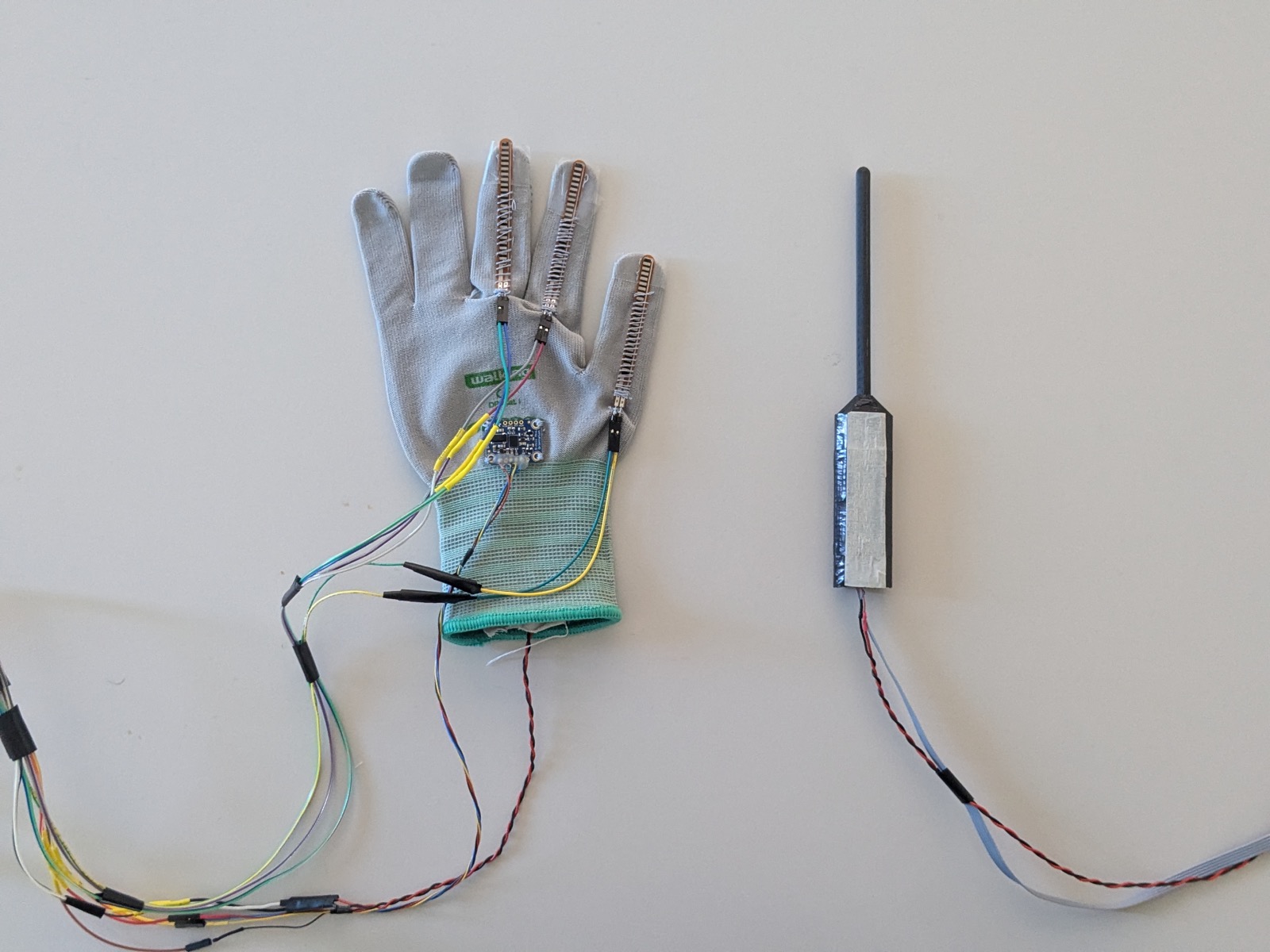
Maestro: Conducting Music You’ve Never Learned to Play
Digital Musical Instrument, Haptics Study, Physical Computing
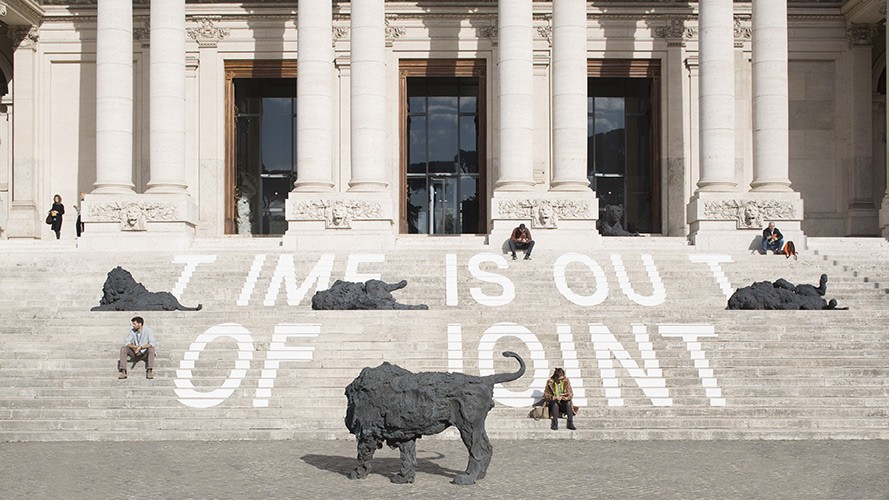
Enhancing the Visitor Experience: Research at La Galleria Nazionale
Museum Experience Research, Data Analysis
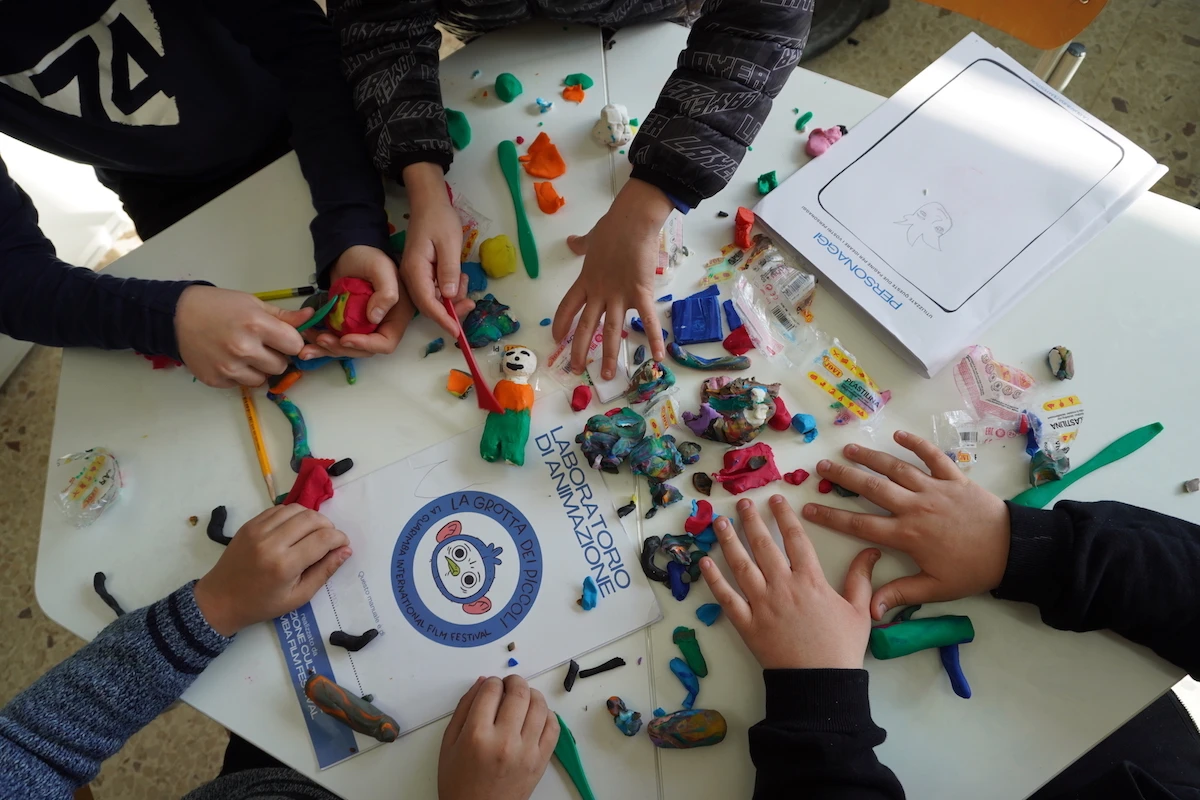
Building a Cultural Center through Filmmaking Workshops
Territorial Research, Workshop Facilitation
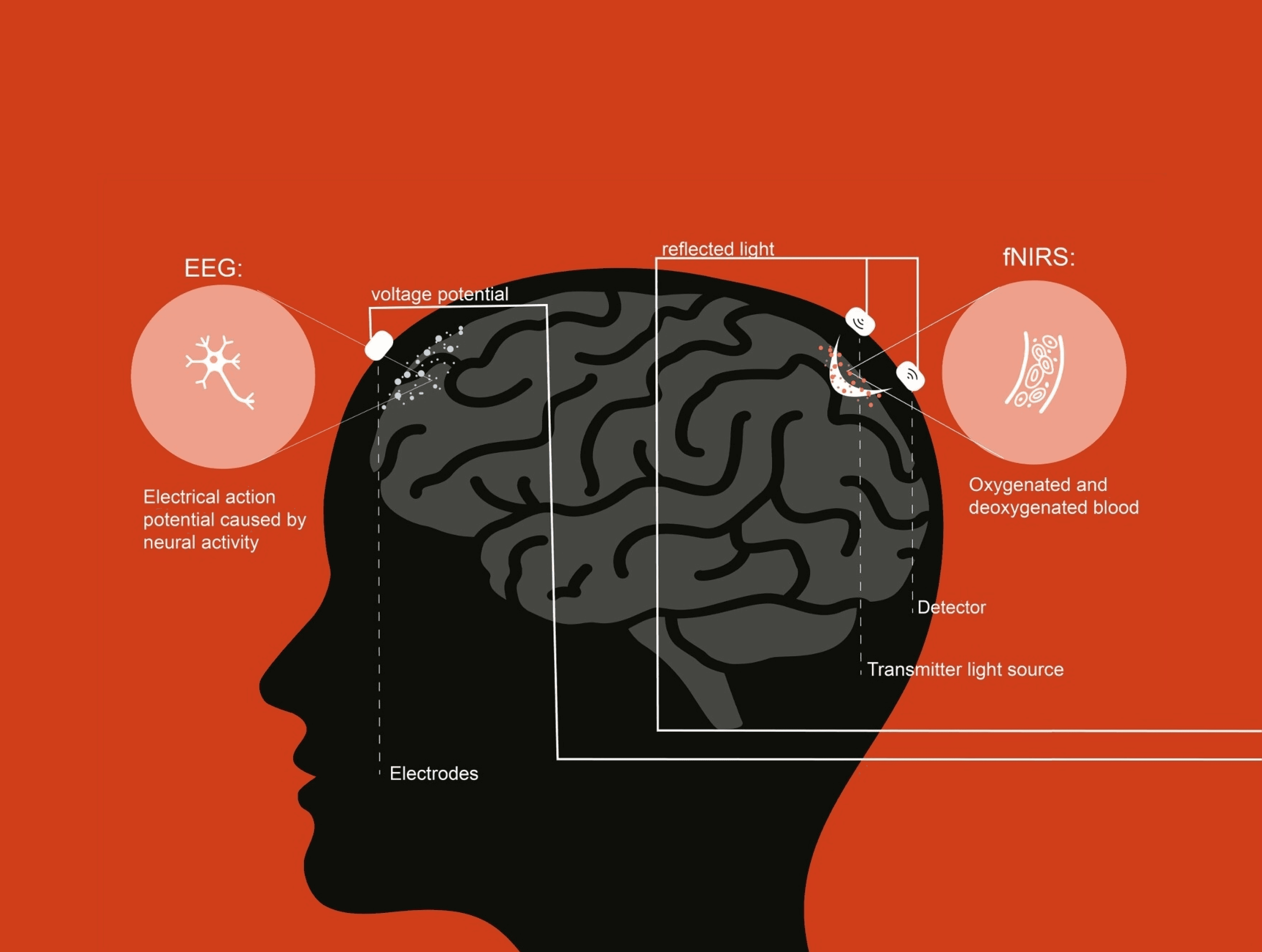
Design Guidelines for a Mind Reading Hat
Ethics, Neurotechnology, Mind Reading