Cultural Mediation at the National Gallery
User Research · Data Analysis · Culture
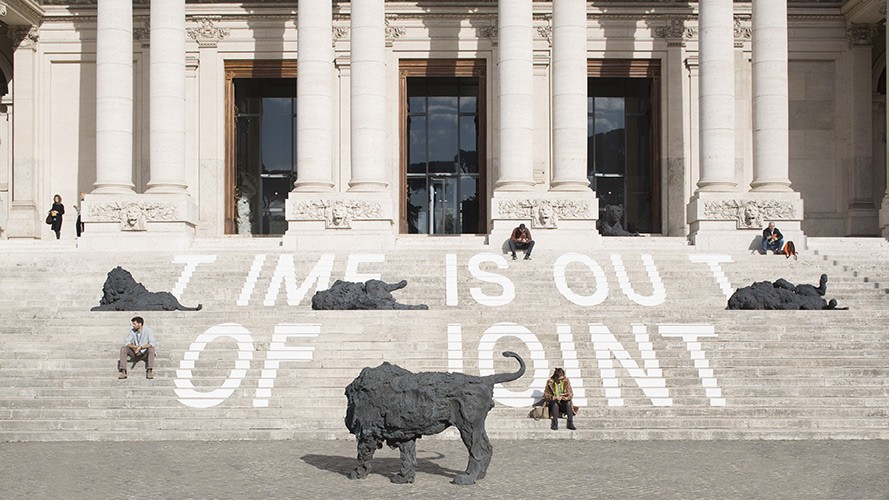
Photography of Mattia Panunzio. Scalinata dei leoni, 2018.
La Galleria Nazionale in Rome runs a cultural-mediation service: art students posted in the galleries to talk with visitors about the contemporary work on the walls. In 2021 the museum wanted to know whether it actually changed the visit.
I designed a between-subjects study of 319 visitors, mediated against un-mediated, and measured the difference. Mediation lifted the experience for everyone, and it did the most for young, first-time visitors.
What a mediator does
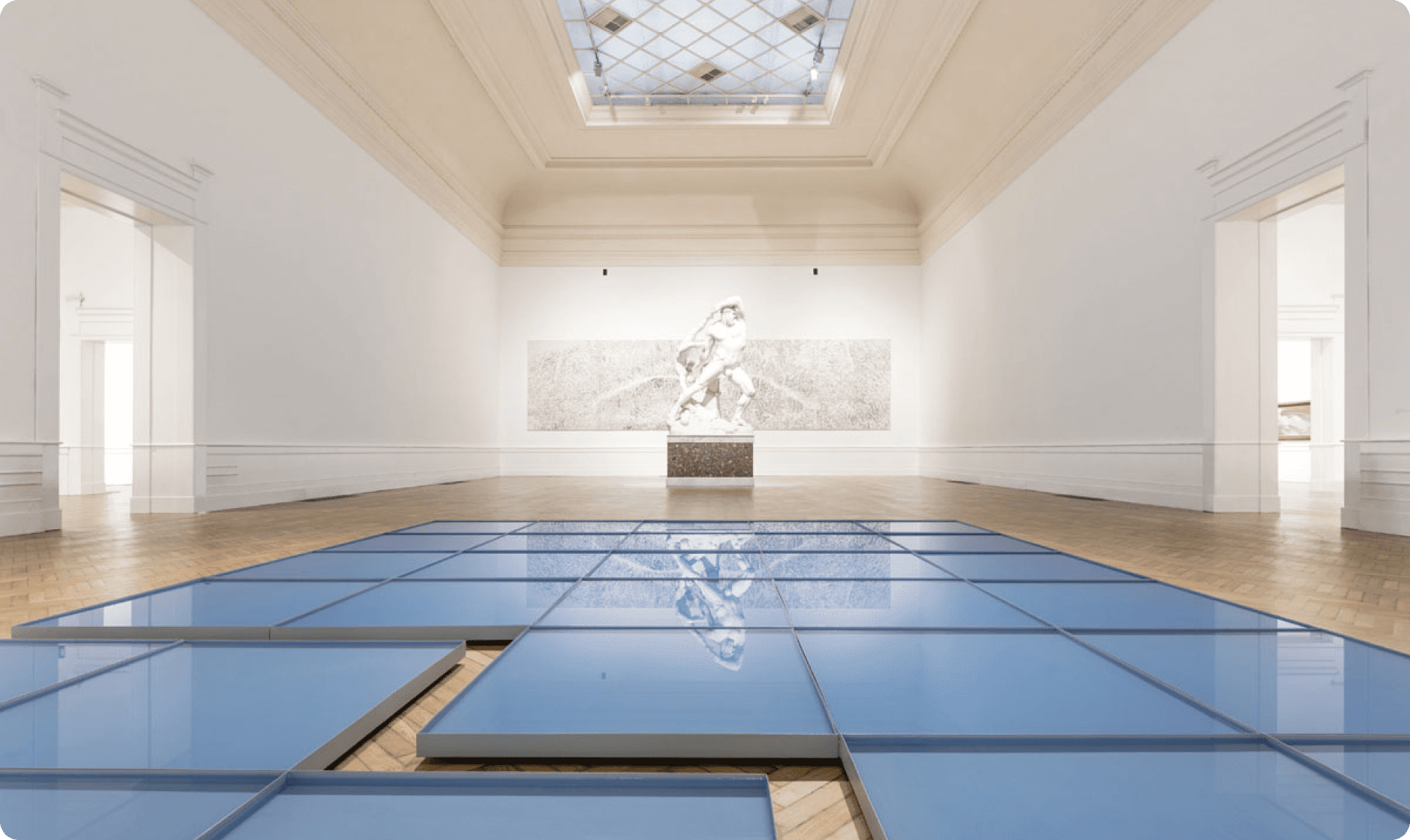
A mediator is not a guide. They are simply present in the rooms, an art student from the Academy of Fine Arts, ready to start a conversation with whoever wants one. For the students it is training; for visitors it is a way in.
Most of them are close in age to the young people they end up talking to, which turned out to matter.
Two ways through the same rooms
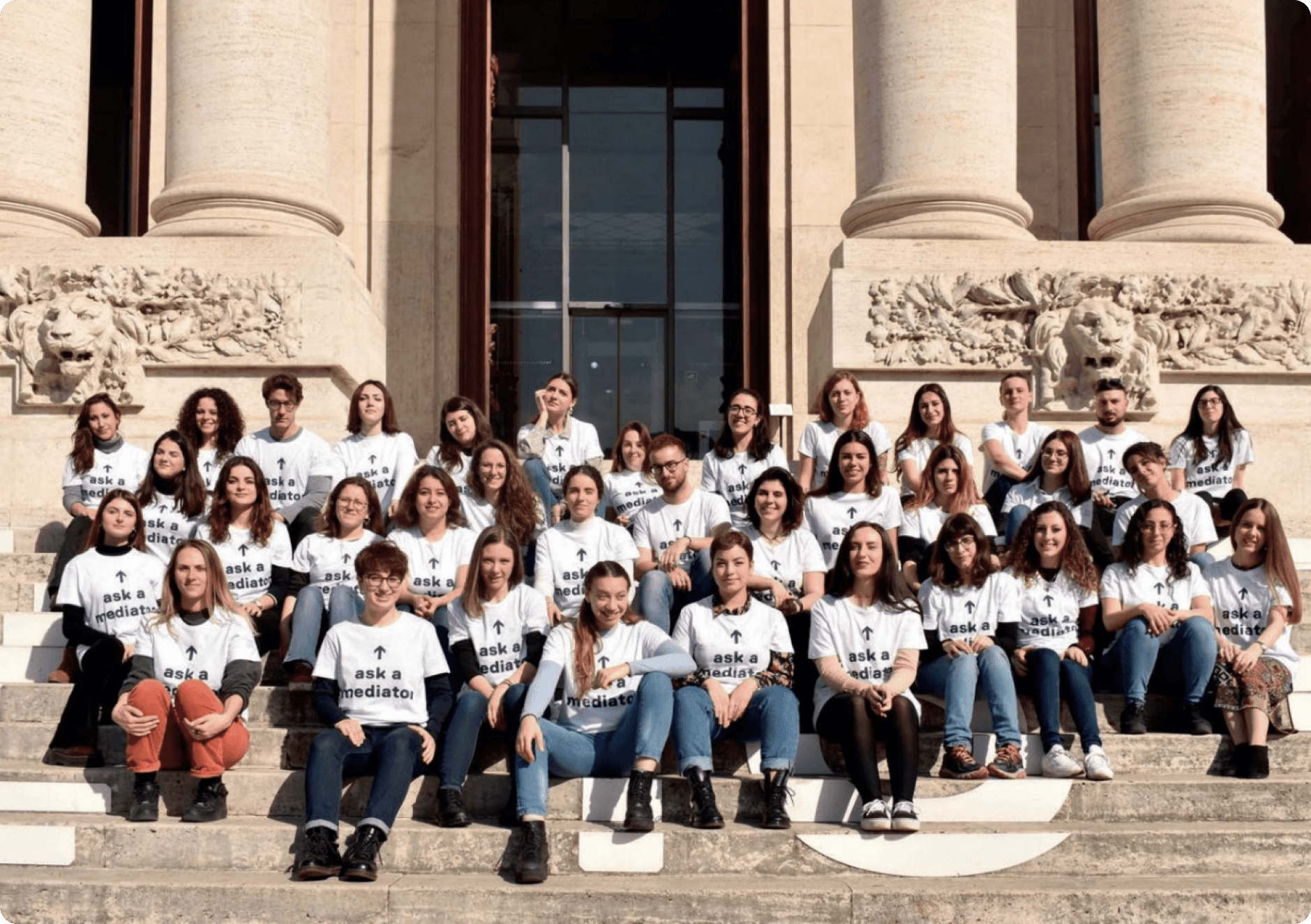
The design was deliberately plain. One group toured the museum on their own; another was accompanied by a mediator. Same galleries, same short survey at the exit, 319 responses across nineteen days.
Who it changed most
Mediated visitors rated the experience higher across the board: more moved, more knowledgeable, more likely to recommend it. The gaps were wide enough to be statistically significant.
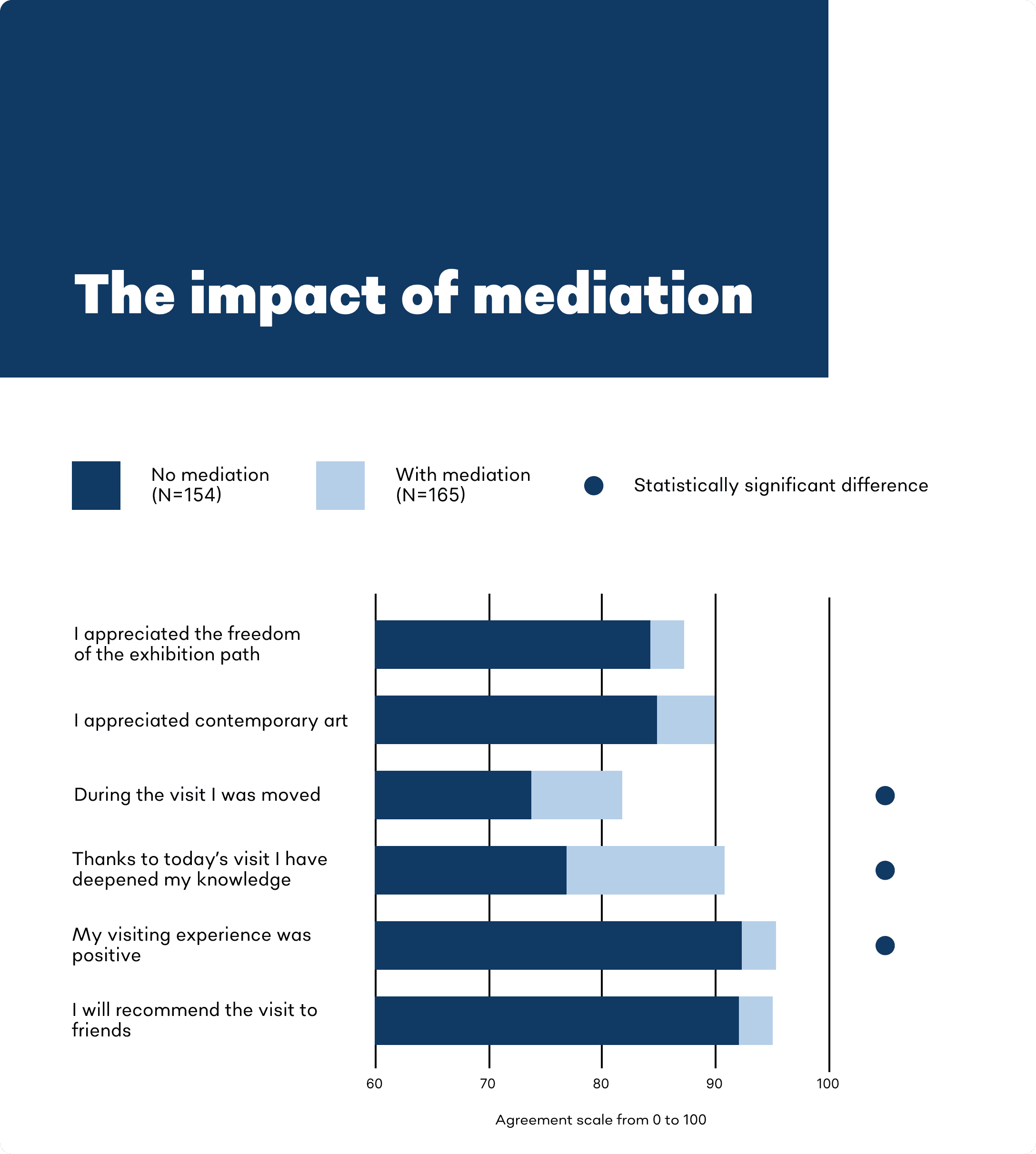
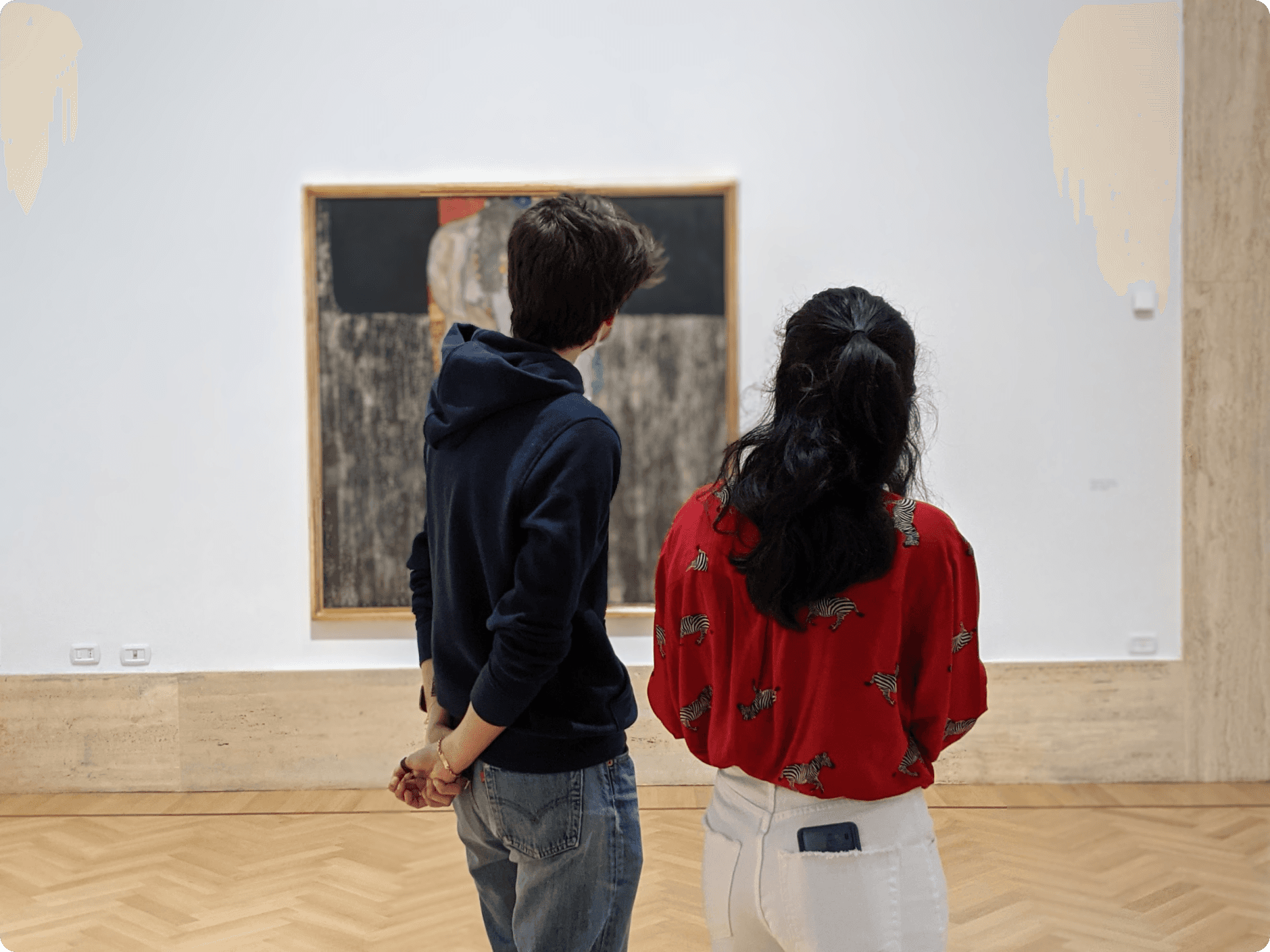
The effect was sharpest for 19-to-25-year-olds, the group that scored lowest on their own. Given a mediator their own age, they moved from the least satisfied visitors to among the most.
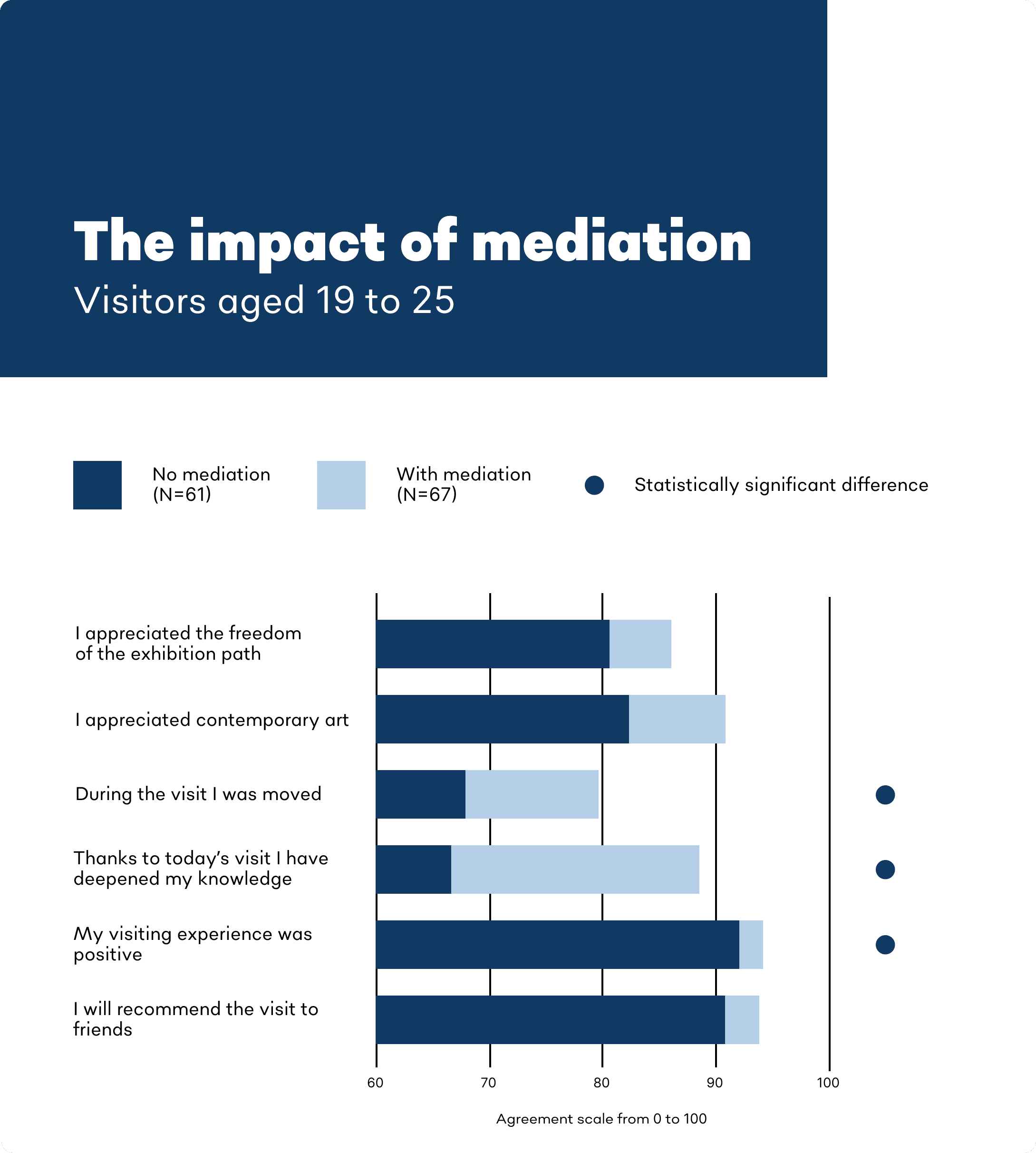
The reading for the museum is simple: mediation is what makes contemporary art legible to the visitors least sure they can read it. The work is relational, not informational.
The findings went into an internal report for the mediation team. The museum's own account of the service is published on Issuu.