The Ethics of Mind-Reading Wearables
Ethics · Literature Review · Neurotech
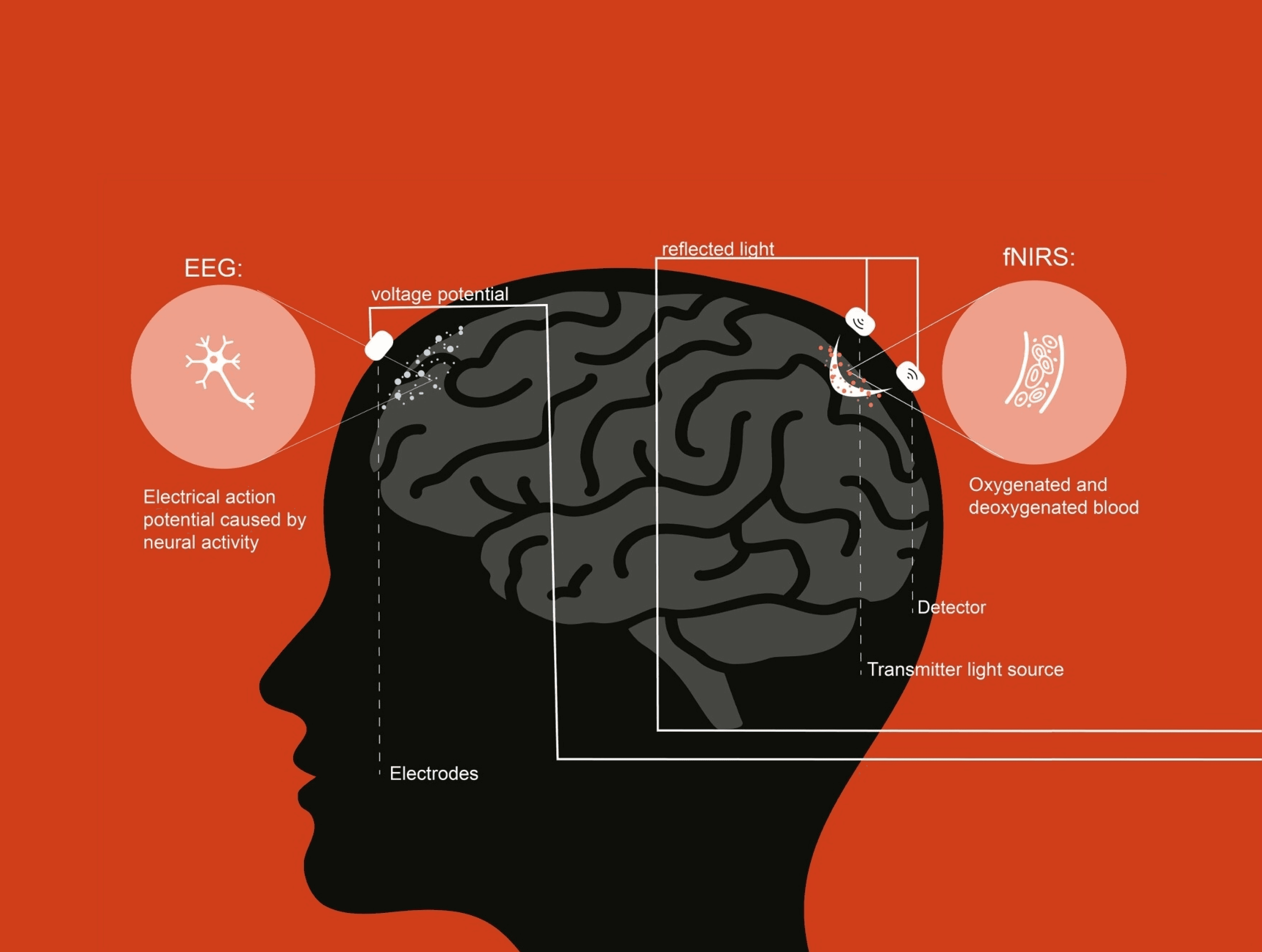
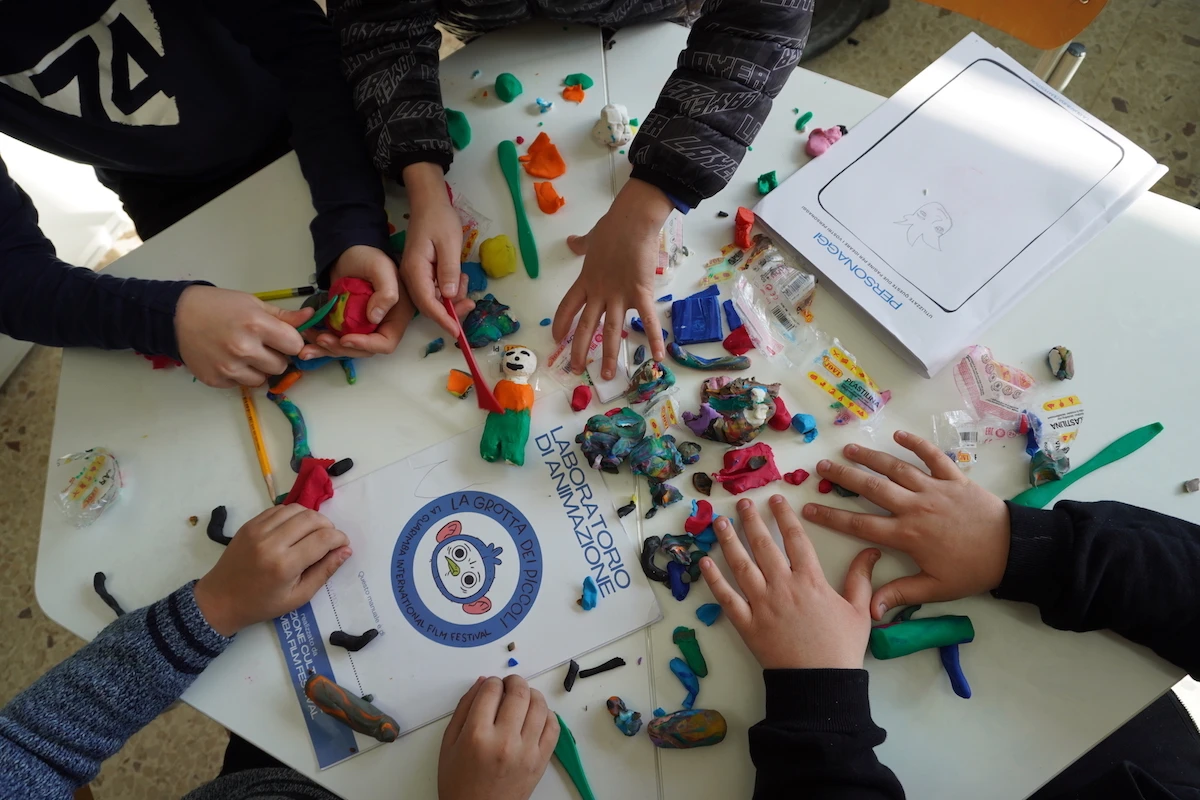
Image credit: Martha Risnes, 2023.
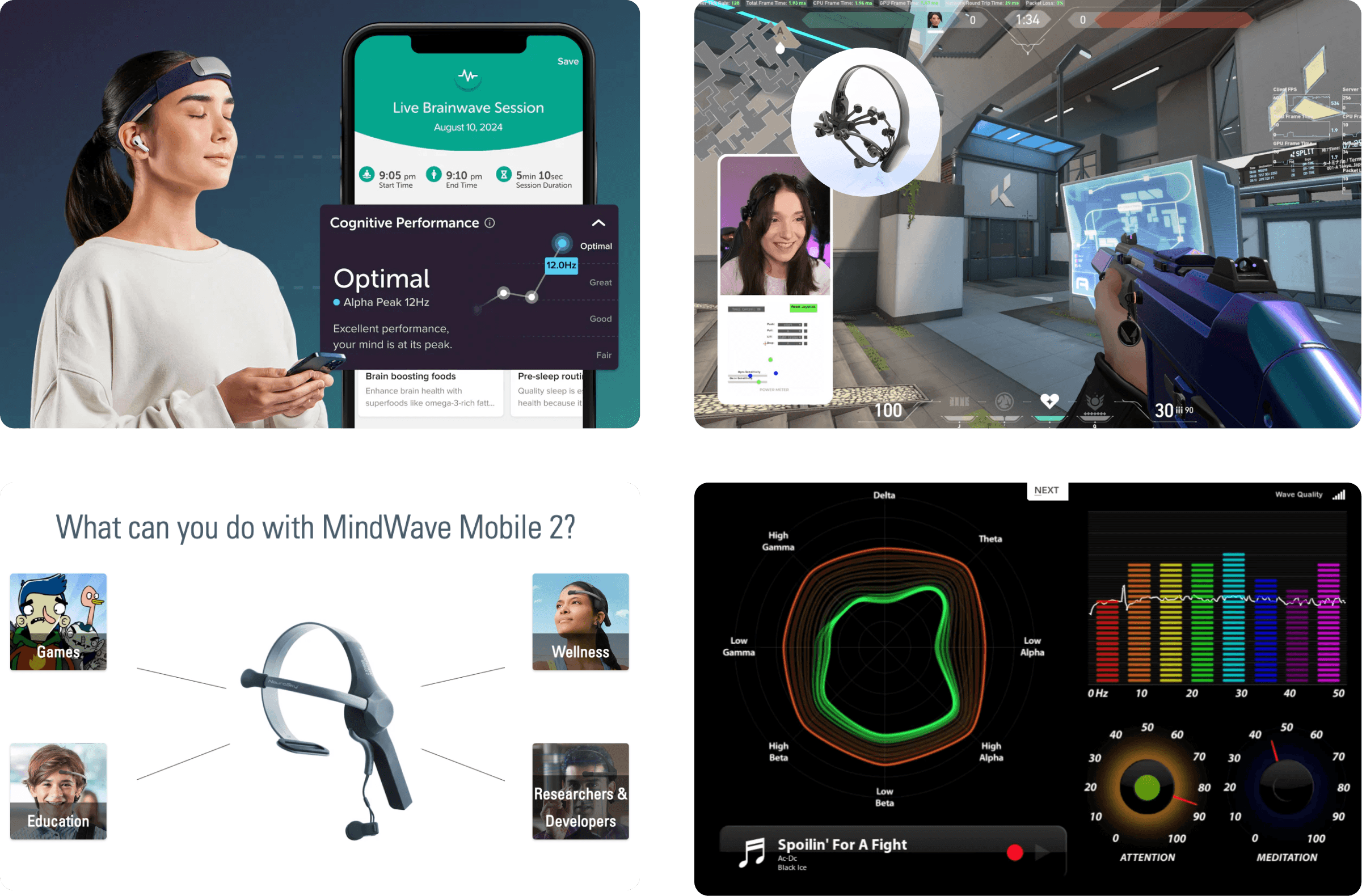
You can already buy a headset that reads your brain and turns it into a daily cognitive performance score. These devices are presented as Fitbits for the mind.
But brain data is not step data, and the difference is where the ethics live. This is a short review of that difference, and of how to design for it responsibly.
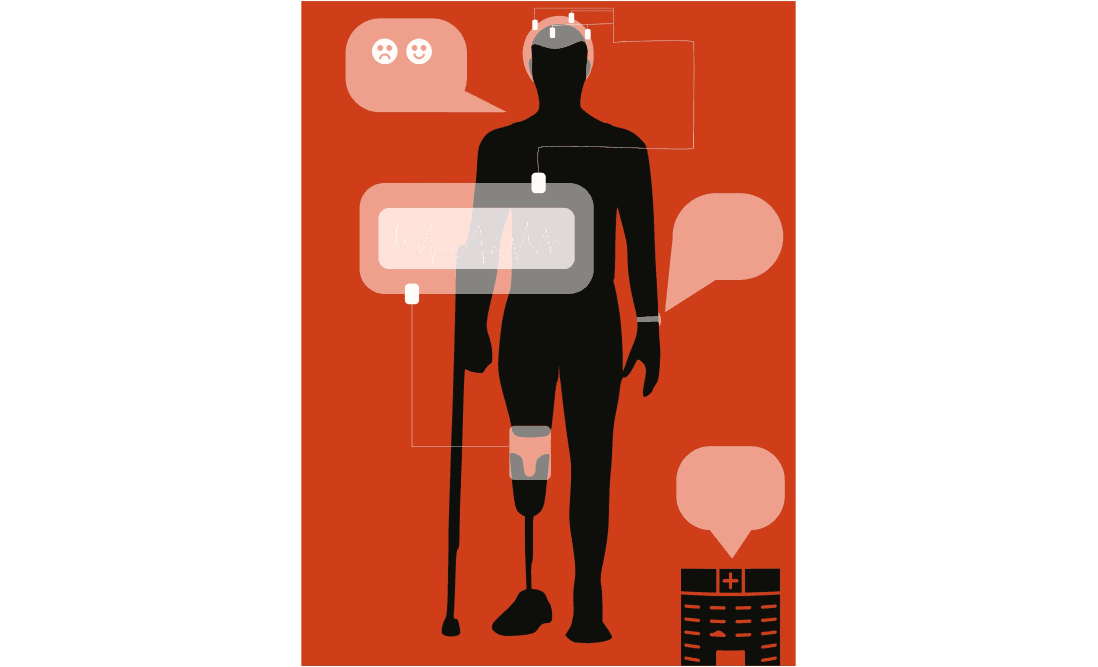
Picture a future scenario: Jimmy, a student in 2084, whose Mind Reading Hat types his messages, tracks his focus, and suggests him mindfulness sessions.
The premise is closer than it sounds. These are on sale now:
Not a Fitbit for the mind
A step counter measures steps. A brain reader cannot measure happy, it matches your signal to a pattern it has labeled happy. You can check whether a Fitbit counted your steps. You have no way to check whether the device read your mind right.
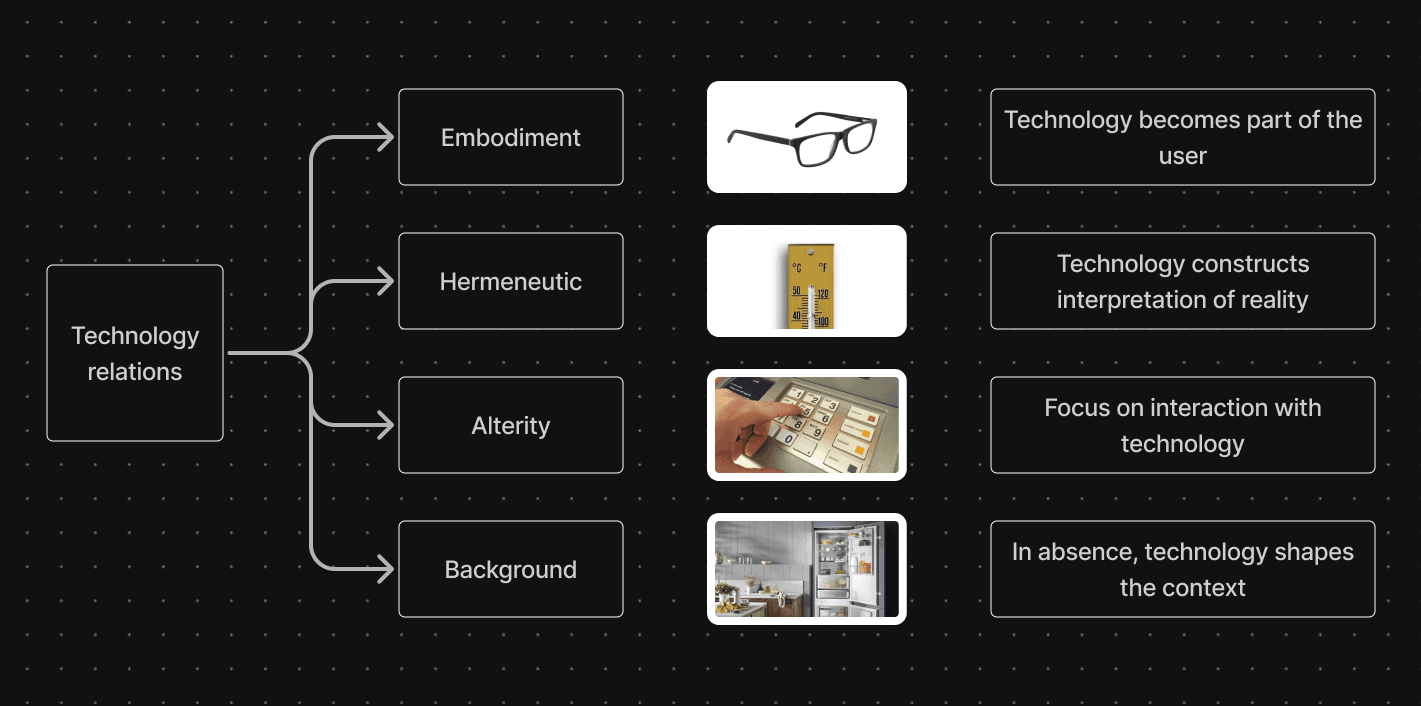
The reading also puts a layer between you and your own mind, a technological mediation, the way a thermometer turns temperature into a number or an ATM stands in for the bank. Told each day that you are stressed, people start to see themselves through the device's five or six categories, and a stress reading can produce the stress it claims to find.
It reaches the one place that was still private, too. Even knowing your brain is being monitored changes what you think.
As Rainey et al. put it:
Where mental privacy is uncertain, it is not clear that someone may feel free to think their own thoughts.
Designing it responsibly
None of this is an argument against the technology. It is an argument for designing it deliberately, before it ships rather than after.
Risnes and colleagues use speculative scenarios, imagined futures people can react to, to surface the dilemmas while the design is still soft.
Andorno and Lavazza name two lines of defense.
Embedded: build the safeguards into the product, user control over what is collected, kept, and deleted, and plain explanations of what a reading means.
Adversarial: rules from outside, UNESCO's proposed neuro-rights and standards for what a consumer device is allowed to claim about your brain.
No single discipline can do it. Responsible neurotechnology needs neuroscience, law, psychology, and design in the same room.
Connecting them is the designer's job: to sit between the engineer and the lawmaker, and keep the person visible in a technology built to read them.
The full piece, with references, is below.